
Velvet technology for bringing out the best of difficult materials
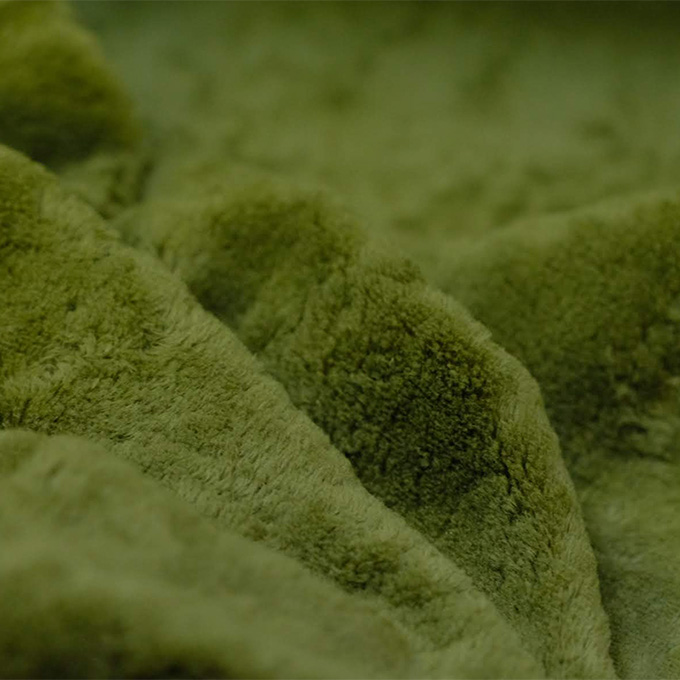
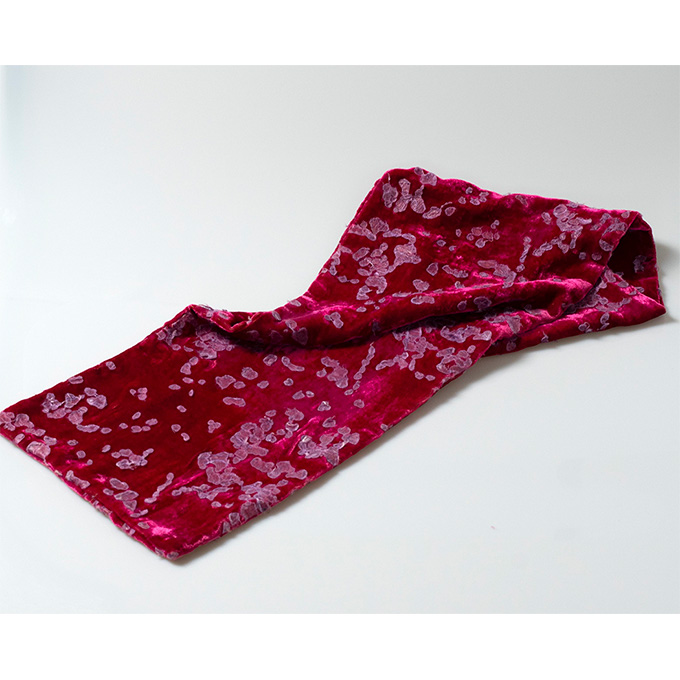
Yamazaki Velvet’s main product is double velvet produced with the face-to-face method. The process involves connecting two layers of weave structure, called the “ground,” with loops made from the pile thread, which will ultimately form the raised surface, and then slicing through the middle with a blade to create two layers of velvet cloth simultaneously. Yamazaki Velvet handles difficult materials, such as extremely short or long fibers, and silk prone to pilling, making full use of long cultivated cutting techniques and customized machines. Thanks to a network of highly skilled craftsmen at dyeing and processing factories, the company produces velvet cloth found nowhere else.
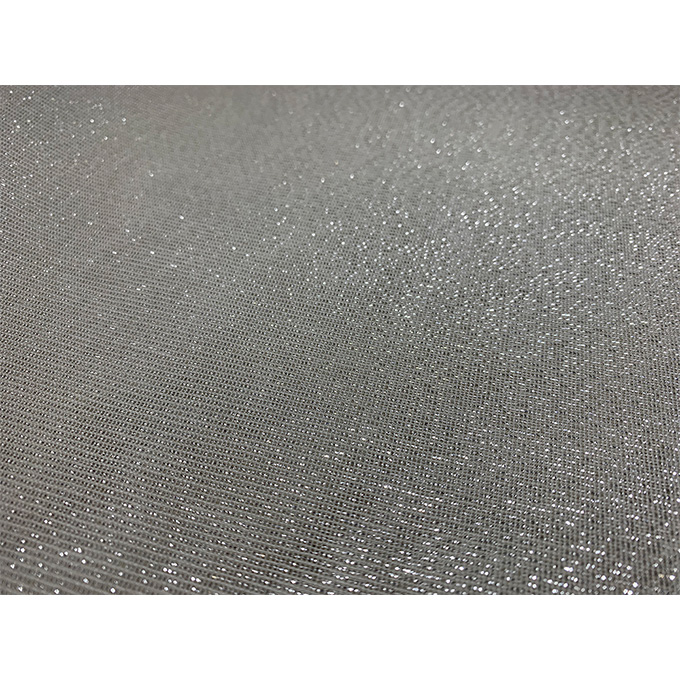
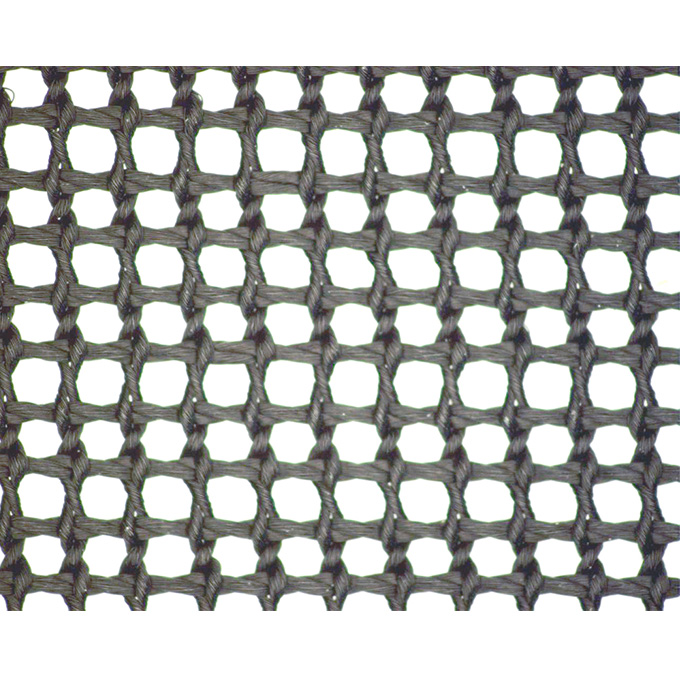

Karamiori leno weave that creates a sheer, crisp texture
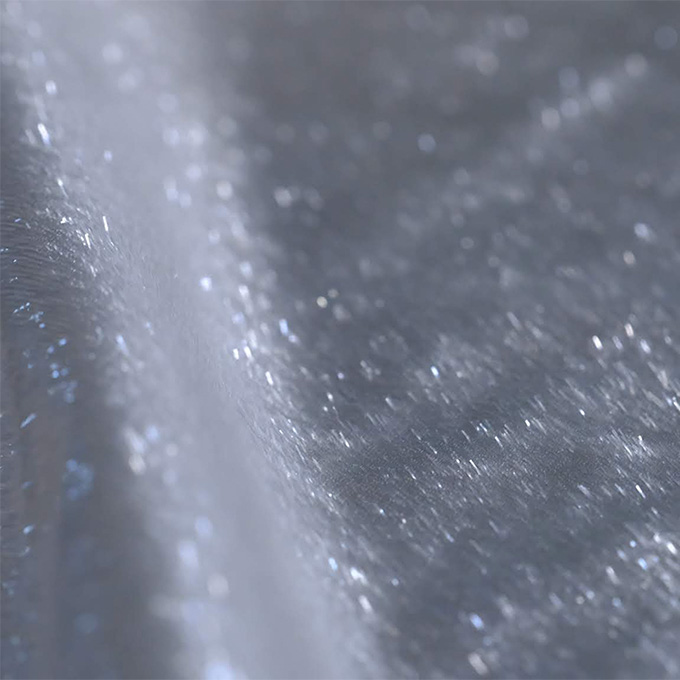
Fubisha Textiles produces two types of Karamiori leno weave: Sha and Ro. The Sha weave involves twisting a pair of warp threads while passing the weft thread through the openings. This creates gaps in the woven cloth that allow air to pass through freely. The Ro is a variant in which the pair of warp threads interlace every seventh weft thread or every third weft thread. The finished cloths are called 7-weft Ro (nanahon-ro) and 3-weft Ro (sanbon-ro), respectively.
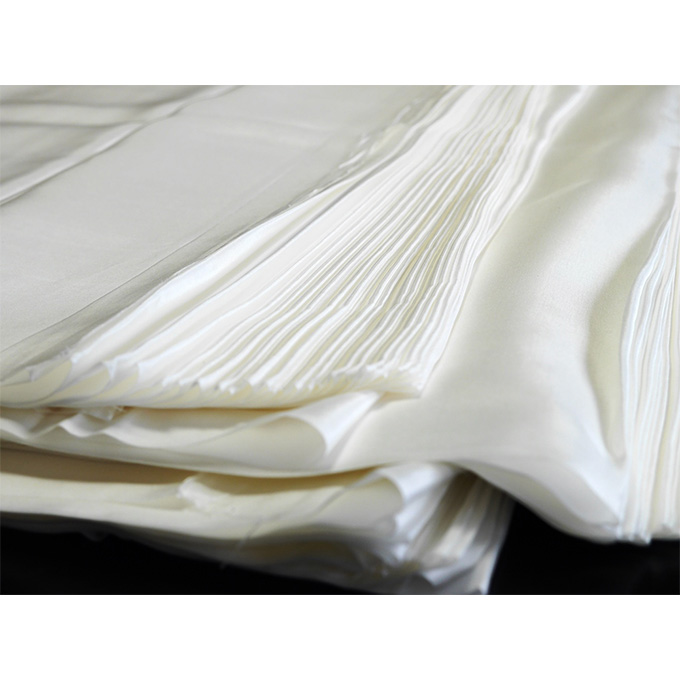
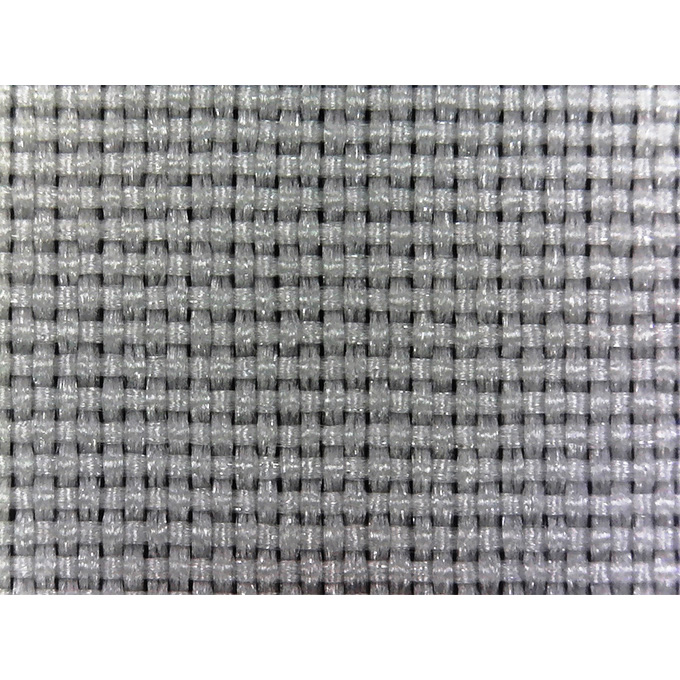
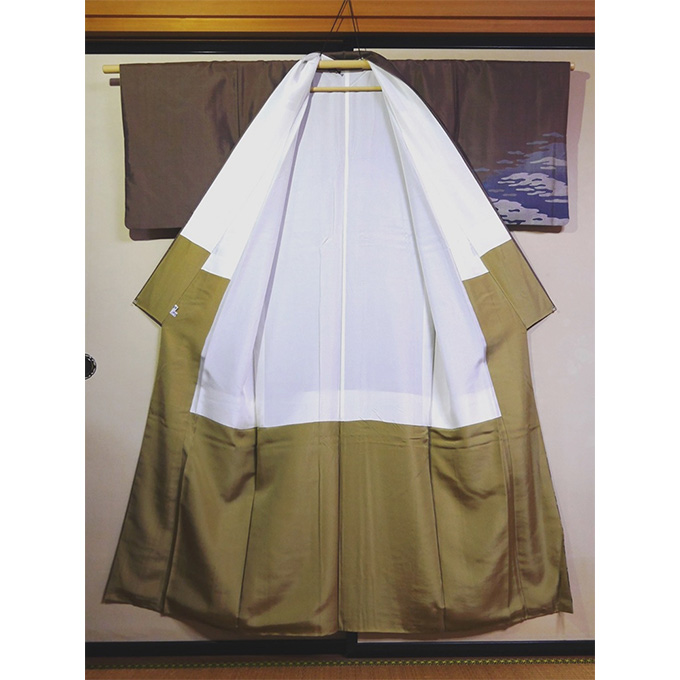
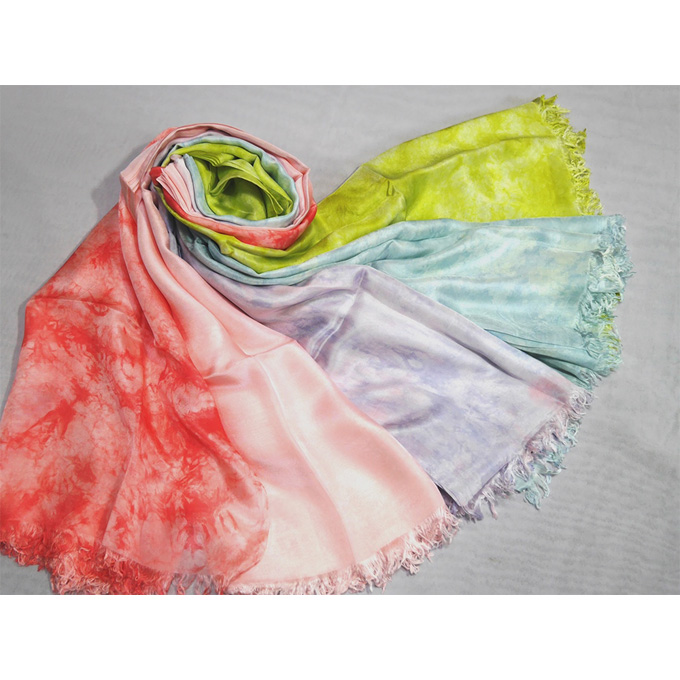
Nureyoko Habutae born of the unique climate of Fukui
Higashino Tokichi Orimono specializes in Nureyoko Habutae, which combines the two techniques of Habutae and Nureyoko. Whereas the basic plain weave comprises a crisscross of one warp thread and one weft thread, Habutae uses a pair of fine untwisted warp threads to produce a lightweight and yet strong weave. Nureyoko is the technique of moistening the weft thread while weaving, to create a dense cloth with a texture that is smooth, firm, and lustrous. The latter was born of Fukui’s uniquely humid climate. The company uses vegetable dyeing, which works well with silk, and other dyeing methods according to use.


Yarn-Dyed Jacquard Textiles with a Focus on Natural Materials
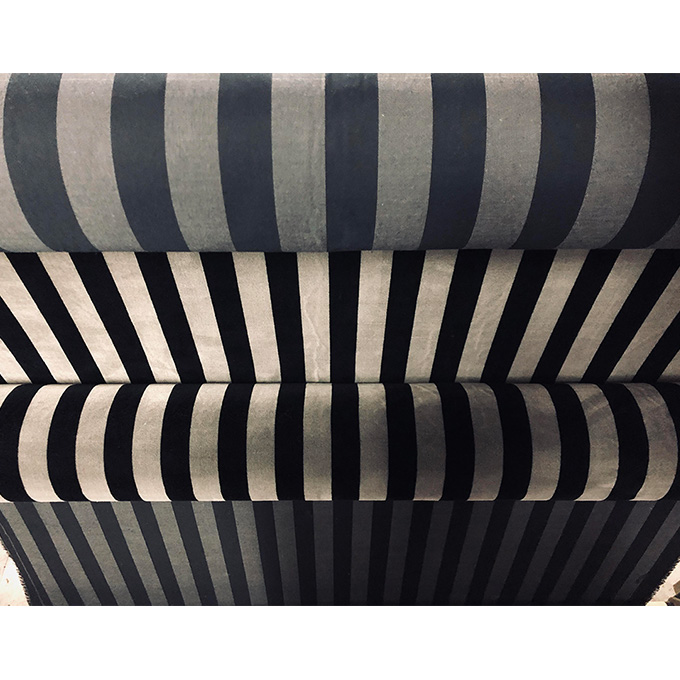
We design and produce textiles by carefully planning the color, pattern, material, and fabric width. Depending on the requirements, we utilize rayon, cotton, silk, linen, and synthetic fibers, selecting between yarn-dyed and post-dyed processing methods. By skillfully employing jacquard (patterned) and dobby (solid) looms, we continuously propose high-quality fabrics that meet customer expectations.
We emphasize collaboration with both other industries and fellow textile manufacturers to create products that fulfill diverse needs. Valuing strong horizontal connections, we maintain close relationships with skilled processing companies while working alongside raw material suppliers and preparatory manufacturers. This approach allows us to expand possibilities and explore new distribution channels beyond the textile industry.


Jacquard Textiles That Weave the Beauty of Nature
Specializing in jacquard textiles, we focus on developing composite fabrics that combine synthetic and natural fibers. By leveraging the unique properties of each thread and carefully crafting weave structures and surface effects, we create fabrics with a rich texture and a striking visual presence.
Our designs incorporate natural landscapes as visual elements in weaving, capturing memorable textures that evoke the essence of nature.